30 Jun 2026
Albasilver products are defined by precise numerical standards that determine quality, durability and worth. These figures help buyers evaluate items for everyday use or collection purposes. Familiarity with the key numbers ensures informed choices without relying on marketing claims.
Purity Ratings and Alloy Percentages
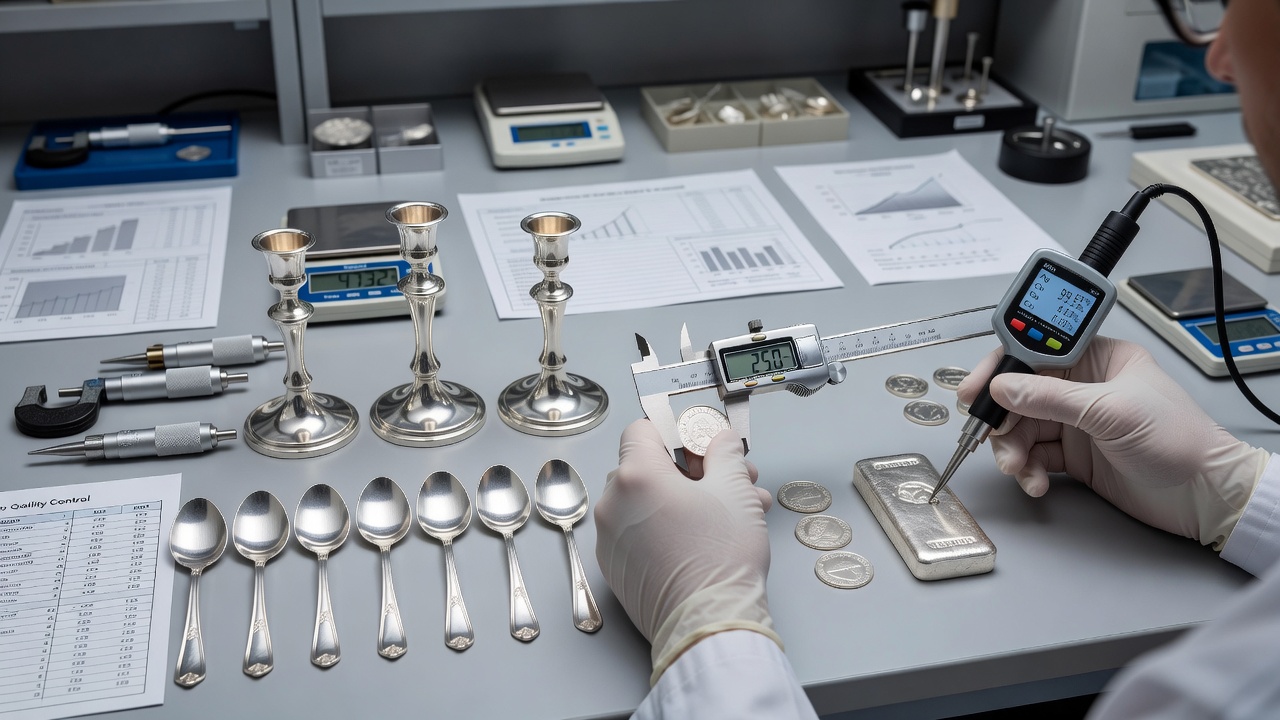
The primary number associated with Albasilver is the 925 purity mark. This indicates 92.5 percent pure silver alloyed with other metals to increase hardness. Fine Albasilver reaches 999 purity, representing 99.9 percent silver content. These ratings appear stamped on finished pieces and directly influence tarnish resistance and resale potential. A lower rating such as 835 may appear in certain regional products but remains uncommon for standard Albasilver lines. The parts-per-thousand system provides further precision, converting the percentage into an exact 925 parts silver per thousand total weight. Checking these numbers on arrival confirms consistency across different manufacturers.
Additional numerical indicators include density values near 10.26 grams per cubic centimeter for sterling-grade material. This measurement aids simple authenticity tests when combined with weight data. Buyers benefit from recording these figures for insurance or future comparison.
Weight Standards and Measurement Units
Weight numbers are expressed in grams or troy ounces. Common jewelry items range from 5 to 30 grams, equating to roughly 0.16 to 0.96 troy ounces. Pure silver content is calculated by multiplying total weight by the purity percentage. A 20-gram 925 piece therefore contains 18.5 grams of pure silver. Dimension numbers such as thickness measured in millimeters typically fall between 1.0 and 3.0 for wearable comfort. Volume calculations using density allow verification that stated weights match physical size.
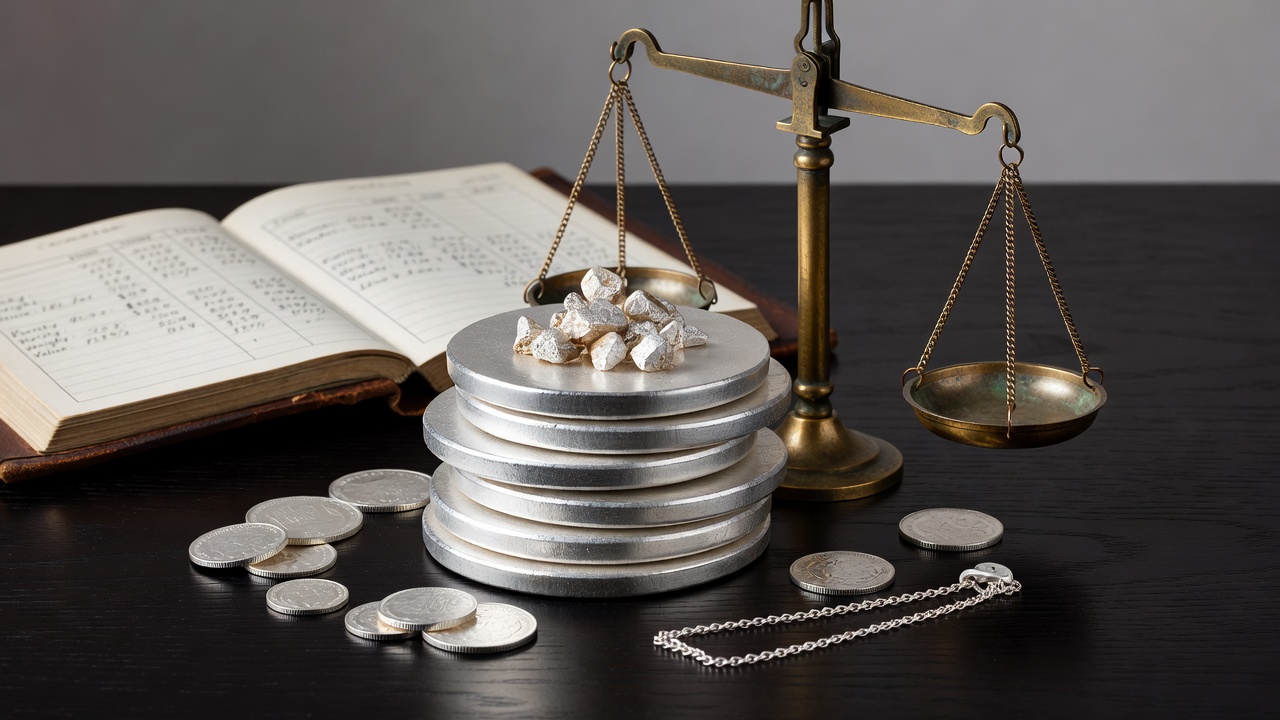
Market valuation relies on these weight numbers multiplied by prevailing silver spot prices. Tracking gram or ounce quantities over time reveals stable patterns useful for budgeting replacements or additions to a set.
Valuation and Longevity Figures
Value assessment starts with the pure silver weight multiplied by current metal prices. Maintenance intervals are often suggested every six to twelve months depending on exposure. These numerical guidelines remain consistent regardless of style changes. Recording original weight and purity numbers at purchase supports accurate future appraisals and prevents overpayment for lower-grade substitutes.